Bed Bug Heat Treatment in Valdosta
Arrange a confidential bed bug assessment.
Act Before Bed Bugs Spread Between Rooms
Bed bugs can hide in mattress seams, bed frames, baseboards, furniture joints, wall gaps, luggage, clothing piles, and other narrow spaces close to where people rest. Bites alone do not confirm an infestation, but live insects, dark spotting, shed skins, eggs, or repeated activity near beds and upholstered furniture should be investigated. Avoid moving mattresses, clothing, or furniture into other rooms before receiving preparation guidance. Unplanned movement can spread bed bugs and make treatment more difficult.
Heat treatment raises temperatures in the treatment area to levels intended to affect bed bugs and their life stages in accessible spaces. The process requires planning, monitoring, airflow management, and preparation of items that could be damaged by heat. Heat may be combined with inspection, targeted product application, encasements, monitoring, or follow-up depending on the infestation and building conditions. We explain the preparation carefully so customers know what must be removed, what should stay in place, and how the space will be handled.
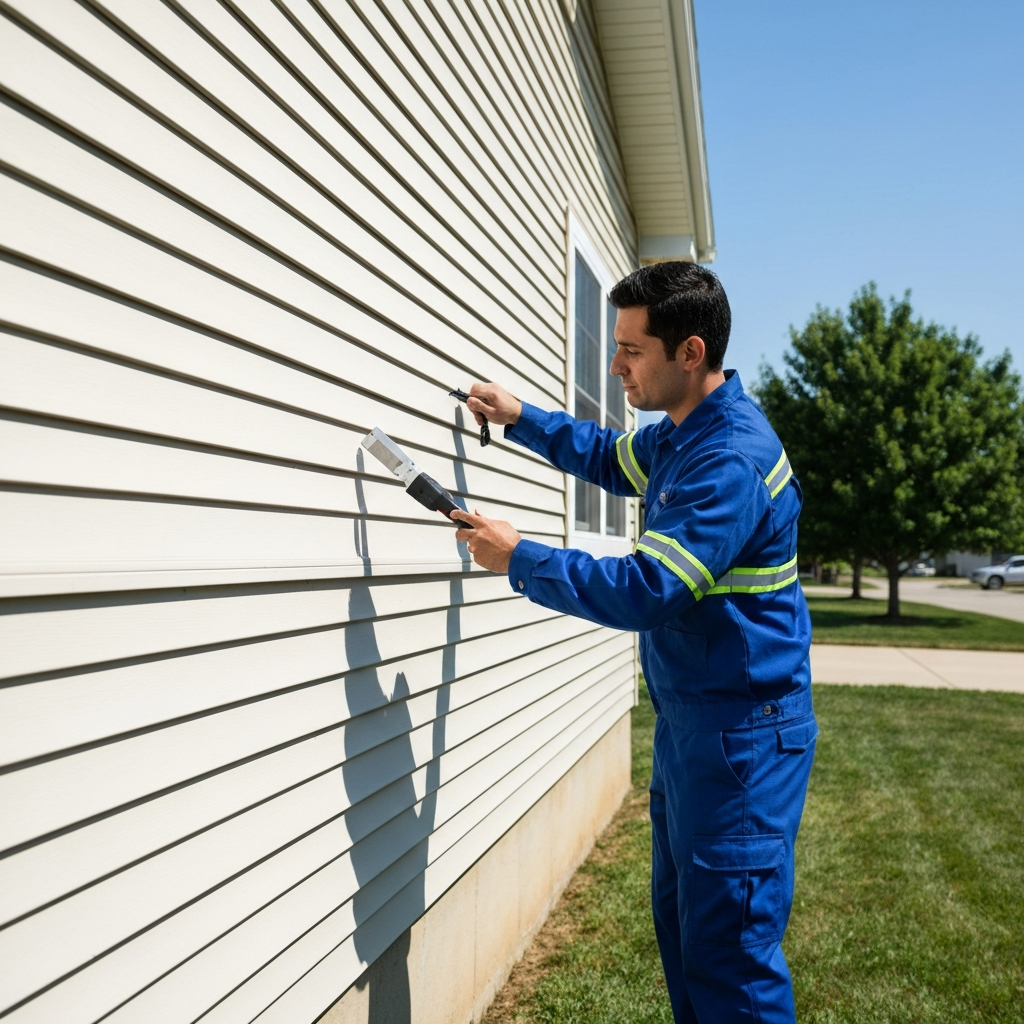
Carefully Planned Heat Treatment
Bed bug heat treatment is more than placing heaters in a room. The treatment plan considers room size, insulation, airflow, clutter, furniture density, connected spaces, sensitive belongings, electrical capacity, and how bed bugs may move through the structure. Before service, we provide a preparation list covering heat-sensitive items, pressurized containers, medications, plants, electronics, wax products, valuables, and other belongings that may require special handling. During treatment, equipment and temperature sensors are positioned to help distribute and monitor heat across the space. Furniture, cushions, mattresses, and selected belongings may need to be repositioned so heated air reaches likely hiding areas. After treatment, follow-up inspection or monitoring may be recommended because adjoining units, untreated belongings, or reintroduction can affect the outcome.
Bed Bug Inspection
We inspect beds, frames, upholstered furniture, baseboards, nearby belongings, and other likely hiding areas. The inspection helps determine which rooms are affected and whether heat is suitable.
Preparation Planning
Customers receive specific guidance about items to remove, secure, unplug, separate, or leave in place. Proper preparation protects belongings and supports heat circulation.
Room or Unit Heat Treatment
Heating equipment and monitoring sensors are arranged according to the space. Temperatures are checked in multiple areas rather than relying on the reading near a single heater.
Furniture and Belongings Management
Mattresses, cushions, drawers, furniture, and selected contents may be opened or repositioned to improve exposure. Items should not be removed from affected rooms without instructions.
Supplemental Targeted Treatment
Some situations benefit from additional work in cracks, wall gaps, furniture joints, or other protected areas. The combination used depends on inspection findings and property conditions.
Follow-Up Monitoring
Monitoring devices or follow-up inspections may be recommended to check for remaining or reintroduced activity. Multi-unit properties may require coordination beyond the original room.
Our Bed Bug Heat Treatment Process
Confirm the Signs
We discuss bites, visible insects, spotting, shed skins, travel, used furniture, room locations, and any previous treatment attempts.
Inspect Affected Areas
Beds, furniture, baseboards, nearby belongings, and connected spaces are examined to map the likely extent of activity.
Prepare the Property
We provide instructions for heat-sensitive items, medications, pressurized containers, electronics, clutter, linens, furniture, pets, and access.
Perform Monitored Heating
Equipment and sensors are placed throughout the treatment zone. Airflow and item placement are adjusted to help heat reach likely hiding areas.
Inspect and Monitor
After treatment, we review what to expect, where monitors may be placed, and whether a follow-up inspection or supplemental service is recommended.

Why Choose Us for Bed Bug Heat Treatment
Confidential, Respectful Service
Bed bugs can happen in clean, well-maintained properties. We focus on solving the problem without blame or unnecessary embarrassment.
Detailed Preparation Guidance
Heat-sensitive belongings and treatment obstacles must be handled correctly. We provide a clear preparation process instead of leaving customers to guess.
Temperature Monitoring
Sensors are used in multiple areas so the treatment can be managed based on conditions throughout the space, not just near the equipment.
Attention to Connected Rooms
Bed bugs may spread through belongings or adjoining spaces. We consider nearby rooms, shared walls, and unit-to-unit concerns when planning service.
Follow-Up Options
Monitoring and reinspection can help identify remaining activity or reintroduction. We explain when follow-up is recommended and what signs to watch for.
Estimated Bed Bug Heat Treatment Costs
Final cost depends on the number and size of rooms, infestation level, preparation needs, furniture, access, connected units, electrical requirements, and follow-up services.
| Service | Estimated Cost | Average |
|---|---|---|
| Single-room heat treatment | $650–$1,400 | $950 |
| Small apartment treatment | $1,200–$2,500 | $1,750 |
| Multi-room home treatment | $2,000–$4,500 | $3,100 |
| Inspection and monitoring | $150–$450 | $275 |
Ready to get started?
Do not move affected belongings between rooms before getting preparation guidance.
Call +1 888-546-5896