Termite Control in Valdosta
Schedule a termite inspection.
Do Not Ignore Signs of Termite Activity
Termites can remain hidden while feeding within wood, wall spaces, trim, flooring systems, crawl spaces, and other parts of a structure. Property owners often notice the problem after seeing winged swarmers, discarded wings, mud tubes, soft or damaged wood, bubbling surfaces, or changes around doors and trim. These signs deserve a closer look because termite activity can be confused with moisture damage, wood decay, or other insects. Our termite service starts with an inspection of the reported area and the conditions that may allow termites to reach the building.
Valdosta properties can face termite pressure because warm temperatures, soil contact, moisture, crawl spaces, landscaping, wood debris, and construction details may create favorable conditions. We examine accessible structural areas, foundation edges, plumbing penetrations, expansion joints, porches, attached features, and places where wood or cellulose material is close to soil. The recommended control method depends on the termite species, location of activity, construction type, access, and evidence found during the inspection.
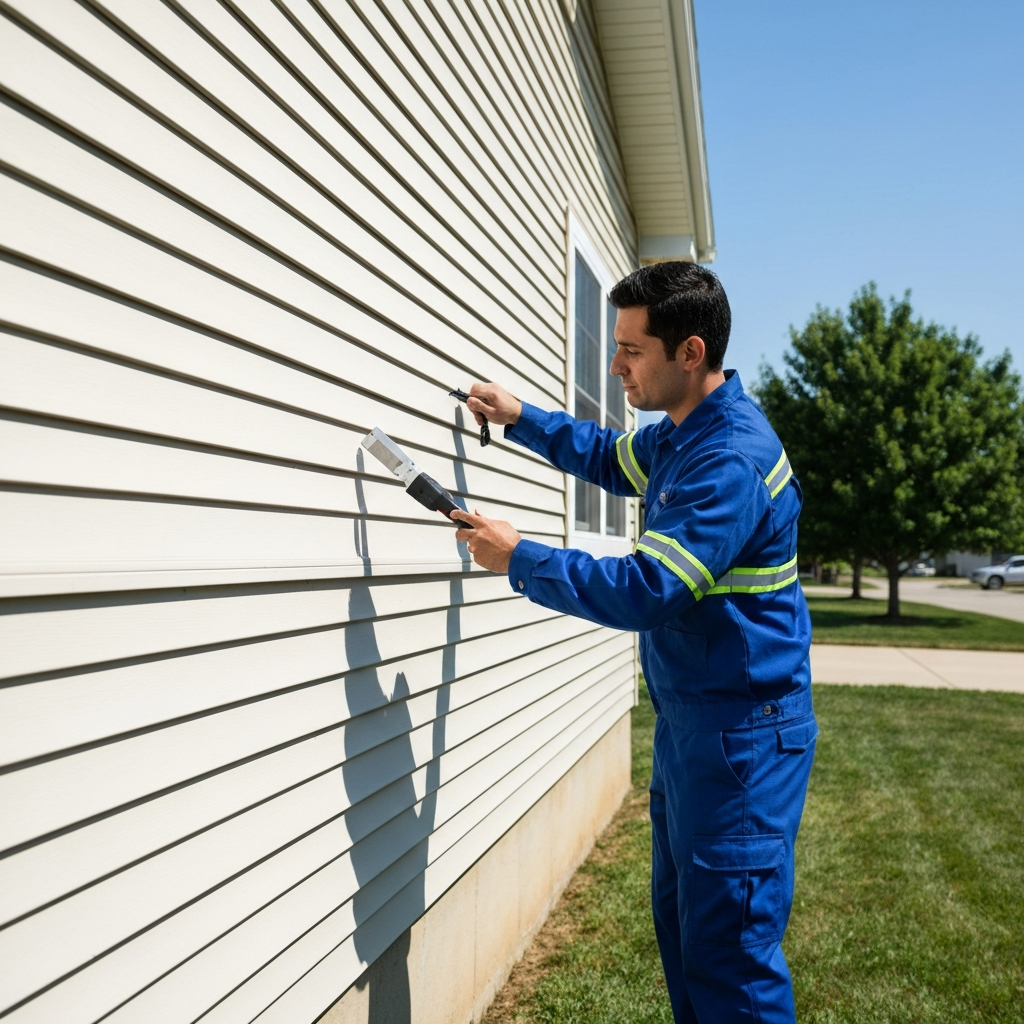
A Structure-Specific Termite Plan
Termite control is not a one-size-fits-all service. A slab home, crawl-space property, commercial building, addition, or structure with attached patios may require different inspection and treatment decisions. We look for active evidence and conditions that increase risk, such as moisture, untreated wood near soil, inaccessible foundation areas, damaged ventilation, plumbing leaks, mulch buildup, and stored materials against the building. Treatment options may include localized work, soil treatment, baiting or monitoring strategies, or a broader plan around the structure. The final recommendation depends on what can be confirmed and how termites are likely reaching the building. We explain the purpose of the proposed treatment, any drilling or access needs, preparation steps, follow-up schedule, and conditions the property owner can correct to support the control plan.
Termite Activity Inspection
We inspect accessible areas for mud tubes, damaged wood, swarm evidence, moisture conditions, shelter points, and construction features that may allow termite access. Findings are explained before treatment is recommended.
Swarm and Wing Identification
Winged termites are often confused with flying ants. We examine available specimens, photos, discarded wings, and the location of the swarm to help determine what may be happening.
Foundation and Crawl-Space Review
Accessible foundation edges, piers, plumbing areas, sill plates, support members, and crawl-space conditions are checked for evidence and risk factors. Limited access may affect what can be inspected.
Targeted Termite Treatment
Localized treatment may be appropriate when activity is limited and accessible. The plan depends on the affected material, termite travel route, construction, and whether broader protection is also recommended.
Soil or Perimeter Treatment
Where suitable, a treatment zone may be created around selected parts of the structure. Preparation and application details vary based on slabs, porches, landscaping, utilities, and access.
Monitoring and Follow-Up
Some termite plans use monitoring or baiting components that require scheduled checks. We explain the inspection frequency, what changes to report, and how property conditions may affect ongoing protection.
Our Termite Control Process
Review the Warning Signs
We ask about swarmers, wings, tubes, damaged wood, moisture, recent construction, and the exact locations where changes were noticed.
Inspect Accessible Areas
The inspection covers reported areas and relevant structural zones, including foundation edges, crawl spaces, plumbing points, trim, attached features, and moisture-prone locations.
Identify Risk and Activity
We separate confirmed evidence from conducive conditions and explain any inspection limitations caused by finished surfaces, storage, height, or restricted access.
Recommend a Treatment
The proposal describes the treatment method, service area, preparation, access requirements, expected follow-up, and property conditions that should be corrected.
Monitor the Structure
When follow-up is part of the plan, we check for new evidence, changes in activity, and conditions that could interfere with protection.

Why Choose Us for Termite Control
Evidence-Based Recommendations
We look for confirmed signs and contributing conditions before recommending treatment. This helps separate termite activity from moisture damage, decay, or unrelated insects.
Attention to Construction Details
Slabs, crawl spaces, additions, porches, utility penetrations, and foundation features can change how termites enter and how treatment should be planned.
Clear Scope and Preparation
We explain which areas are included, why the treatment is recommended, and whether drilling, access, movement of belongings, or moisture repairs may be needed.
Local Risk Awareness
Warm, humid South Georgia conditions can support termite activity. Our inspections pay close attention to moisture, soil contact, landscaping, and wood storage.
Follow-Up Planning
Termite control may involve monitoring after the initial service. We describe the expected follow-up and the signs that should be reported between visits.
Estimated Termite Control Costs
Termite pricing varies widely by structure size, foundation type, treatment method, access, infestation extent, and follow-up requirements. A property inspection is needed before a firm quote can be provided.
| Service | Estimated Cost | Average |
|---|---|---|
| Termite inspection | $100–$250 | $165 |
| Localized treatment | $350–$1,100 | $675 |
| Perimeter or soil treatment | $1,000–$3,500 | $2,100 |
| Monitoring or baiting setup | $900–$2,800 | $1,750 |
Ready to get started?
Have swarmers, mud tubes, or suspicious wood checked before the problem advances.
Call +1 888-546-5896