Rodent Removal in Valdosta
Schedule a rodent inspection.
Respond Quickly to Rats or Mice Indoors
Rodents can contaminate food areas, damage stored goods, chew wiring or insulation, and create noise inside walls, ceilings, attics, or cabinets. Common warning signs include droppings, scratching after dark, gnaw marks, greasy rub marks, damaged packaging, nesting material, unusual pet behavior, or a strong odor. Seeing one rodent may indicate access to shelter, food, or water somewhere nearby. Our service begins by identifying the likely species, activity zones, and openings that allow movement into or through the building.
Removal works best when population control is paired with exclusion and sanitation. Traps may address active rodents, but unsealed gaps can allow new animals to enter. Food residue, pet food, bird seed, clutter, standing water, damaged doors, roof gaps, utility penetrations, and vegetation touching the structure can also keep the property attractive. We inspect these conditions and explain which corrections are most important. The plan is adjusted for homes, restaurants, offices, warehouses, rentals, and other properties where access and operating needs differ.
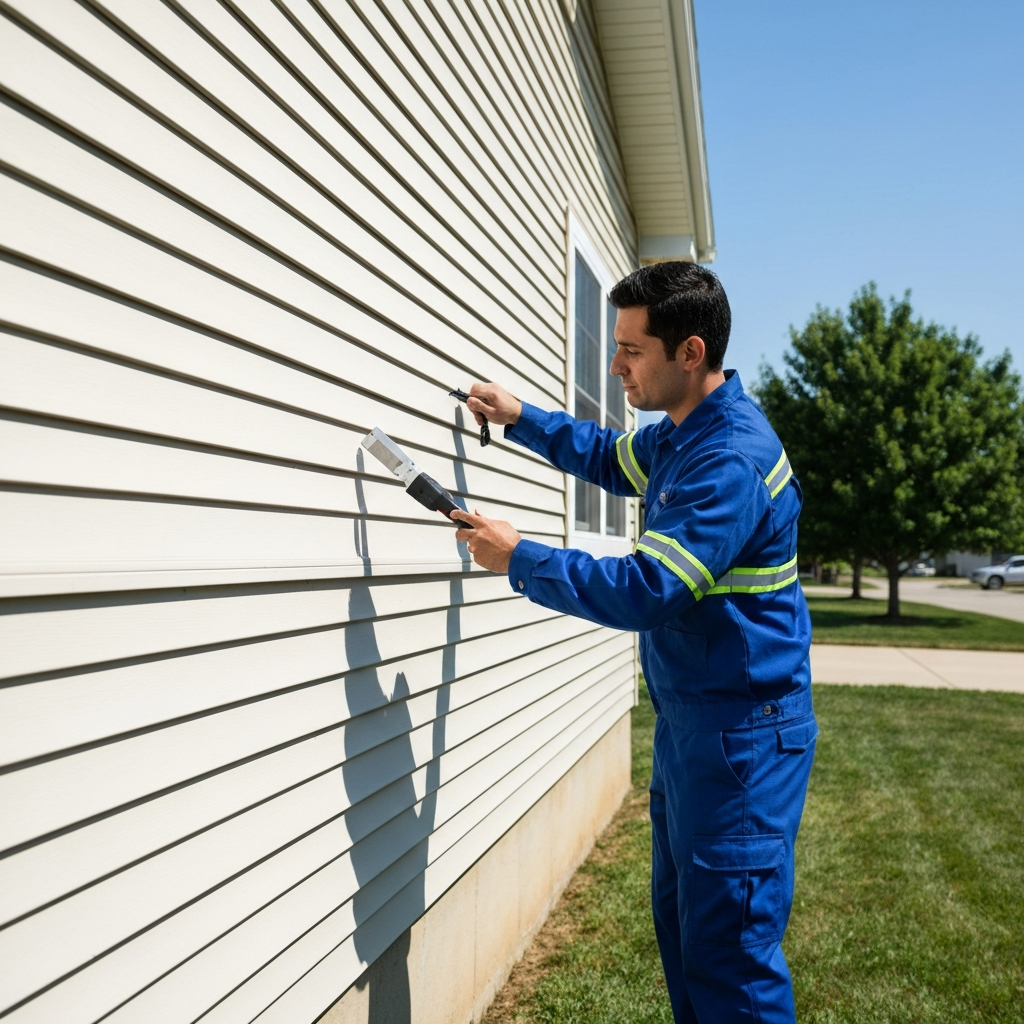
Removal, Exclusion, and Follow-Up
A rodent plan begins with evidence. Dropping size and location, gnawing, tracks, nesting material, sounds, odors, and camera footage can help distinguish mice, roof rats, Norway rats, squirrels, or other animals. We inspect kitchens, storage areas, garages, attics, crawl spaces, utility rooms, rooflines, door gaps, vents, pipe openings, and exterior edges where accessible. Traps or control devices are placed based on travel routes and property use, with attention to children, pets, customers, and food handling areas. Follow-up visits allow us to check activity, reset devices, remove captures, and refine placement. Exclusion recommendations may include sealing small gaps, repairing screens or vents, adding door sweeps, correcting roofline openings, and reducing vegetation or stored materials near the building.
Rodent Evidence Inspection
We examine droppings, gnawing, rub marks, nesting material, tracks, odors, food damage, and sounds to identify active areas and likely travel routes.
Interior Trapping
Traps are placed where rodents are likely to travel while considering pets, children, customers, staff, and sensitive areas. Placement may be adjusted during follow-up.
Exterior Control Planning
Exterior conditions are reviewed for burrows, vegetation, waste storage, feeding sources, water, and building access. The plan depends on the species and property setting.
Entry-Point Inspection
We check door gaps, utility penetrations, vents, roof edges, siding, crawl-space openings, garage seals, and other accessible points that may allow rodents inside.
Rodent Exclusion Guidance
Recommended repairs are prioritized by size, location, and evidence. Some sealing may be included in the service, while larger construction repairs may require a separate provider.
Cleanup and Sanitation Advice
We explain how food storage, waste handling, clutter, pet food, bird seed, and contaminated areas can affect rodent pressure. Extensive cleanup may require specialized service.
Our Rodent Removal Process
Review the Evidence
We ask about droppings, noises, sightings, damaged food, odors, nesting material, time of activity, and rooms or exterior areas involved.
Inspect Interior and Exterior
Accessible travel routes, shelter areas, food sources, water, building gaps, rooflines, utility points, storage zones, and waste areas are examined.
Set the Control Plan
Traps or other devices are selected and positioned based on the species, evidence, property use, and safety considerations.
Complete Follow-Up Visits
Devices are checked, captures are removed where included, placements are adjusted, and new evidence is documented until activity is brought under control.
Address Entry and Attraction
We review exclusion, sanitation, vegetation, storage, food handling, and maintenance steps that can reduce the chance of renewed activity.

Why Choose Us for Rodent Removal
Source-Focused Inspection
We look for travel routes, shelter, food, water, and access points rather than placing traps without understanding how rodents are using the property.
Trapping With Follow-Up
Rodent activity often changes after devices are placed. Follow-up allows us to check results, adjust the plan, and identify overlooked movement.
Exclusion Priorities Explained
Not every gap carries the same risk. We identify openings that match the evidence and explain which repairs should be handled first.
Care Around People and Pets
Device selection and placement consider children, pets, employees, customers, and food areas. Preparation instructions are provided when access must be limited.
Commercial Awareness
Restaurants, warehouses, offices, and retail properties may require discreet placement, documentation, scheduled checks, and coordination around operating hours.
Estimated Rodent Removal Costs
Pricing depends on the species, infestation level, building size, number of visits, entry-point repairs, attic or crawl-space access, sanitation conditions, and commercial requirements.
| Service | Estimated Cost | Average |
|---|---|---|
| Inspection and initial setup | $175–$450 | $295 |
| Trapping with follow-up | $350–$900 | $575 |
| Basic exclusion work | $400–$1,500 | $850 |
| Complex attic or commercial service | $900–$3,000 | $1,650 |
Ready to get started?
Report droppings, scratching, gnawing, or indoor sightings before activity spreads.
Call +1 888-546-5896