Beehive Removal in Valdosta
Report the hive location and activity.
Keep Distance From an Active Colony
A hive or concentrated stinging insect nest near a doorway, walkway, play area, roofline, shed, utility box, or occupied room can create an urgent concern. Do not strike the nest, seal an active opening, spray blindly into a wall, or attempt removal from a ladder. Disturbing a colony can increase defensive activity, and sealing insects inside a structure may cause them to enter interior spaces through another route. Our first step is to learn where the insects are entering, how long the activity has been present, and whether anyone has already been stung.
The correct response depends on the insect, nest location, colony size, height, access, and whether the nest is exposed or hidden inside a wall, soffit, attic, tree, or structure. Honey bees, carpenter bees, yellow jackets, hornets, and wasps do not all behave the same way. We assess the visible activity and recommend a plan suited to the species and location. When a colony is inside a building cavity, additional removal or repair work may be needed after insect activity is controlled.
Removal Based on Species and Nest Location
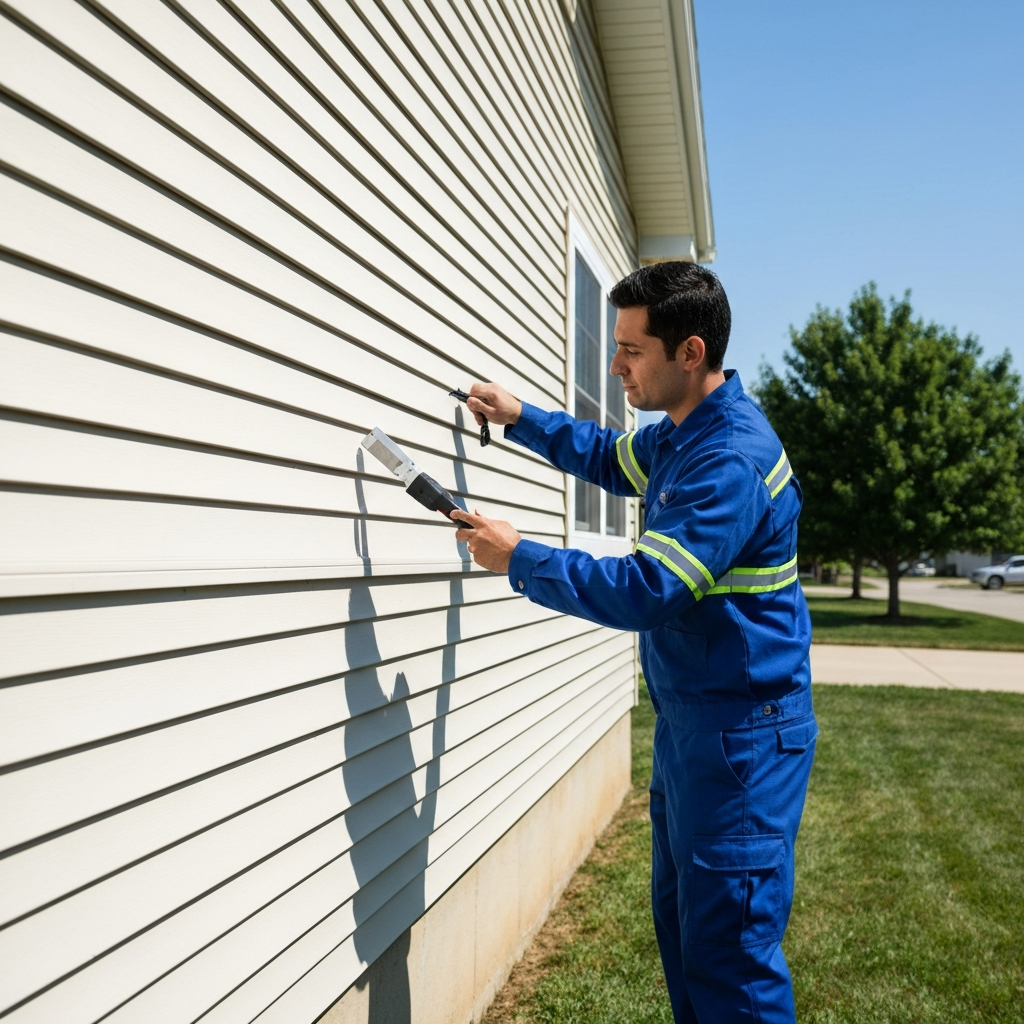
Beehive removal begins with identification and a careful look at the nest site. An exposed swarm resting on a branch may require a different response than insects entering through a soffit or siding gap. Ground-nesting yellow jackets, paper wasps under an eave, carpenter bees in wood, and honey bees inside a wall each present different access and treatment concerns. We evaluate traffic patterns, nearby doors and windows, ladders or equipment needed, risks to occupants, and whether the nest can be reached safely. The service plan may involve removal, control, opening a limited building area, or referral for specialized structural work. We also discuss sealing and repair, but active entry points should generally not be closed until the colony has been properly addressed. Emergency scheduling is based on risk, accessibility, and current appointment availability.
Stinging Insect Identification
We use visible features, nest material, flight patterns, entry location, and available photos to help identify the insect. Correct identification affects the safest and most effective response.
Exposed Hive or Nest Service
Nests attached to branches, eaves, fixtures, sheds, or other exposed surfaces may be accessible without opening the structure. Height, colony behavior, and surrounding activity affect the plan.
Wall and Soffit Activity
Insects entering a wall, roof edge, soffit, vent, or siding gap may have a hidden colony. We trace the entry area and explain whether structural access or later cleanup may be necessary.
Ground Nest Response
Yellow jackets and other stinging insects may establish below ground or in landscape features. We identify the active opening and evaluate its distance from walkways, work areas, pets, and children.
Carpenter Bee Control
Carpenter bees can bore into exposed wood around porches, trim, fences, and structures. Service may include treating active galleries and recommending repair or protective maintenance.
Entry-Point Guidance
After activity is resolved, gaps and damaged materials may need repair to reduce future nesting. We explain which openings should be addressed and when sealing is appropriate.
Our Beehive Removal Process
Gather Safety Details
We ask where the insects are located, whether the nest is exposed, whether anyone has been stung, and how close the activity is to entrances or occupied areas.
Identify the Insect
We examine visible insects, nest type, flight behavior, and entry location to determine the likely species and appropriate response.
Assess Access
The site is reviewed for height, ladders, roof conditions, electrical equipment, confined spaces, traffic, pets, and other factors that affect safe service.
Complete the Service
Removal or control is performed according to the nest location and insect type. Occupants receive instructions about distance, access, and any temporary restrictions.
Plan Cleanup and Repair
We explain whether nest material, residue, damaged wood, wall openings, or exterior gaps may require additional cleanup or repair after activity has ended.

Why Choose Us for Beehive Removal
Safety Comes First
We consider the colony location, occupant exposure, height, traffic, and insect behavior before deciding how the area should be approached.
Identification Before Action
Different bees, wasps, hornets, and yellow jackets require different strategies. We avoid treating every flying insect as though it were the same pest.
Care Around Structural Openings
Sealing an active entrance too early can redirect insects indoors. We explain when an opening should remain accessible and when repair can begin.
Clear Limits and Next Steps
When wall opening, roof work, cleanup, or construction repair is outside the pest service scope, we identify that need before the work proceeds.
Local Scheduling
Colonies near occupied areas are prioritized based on risk and availability. Call [PHONE] and describe the location, height, and recent activity. [CTA:call]
Estimated Beehive Removal Costs
Pricing depends on insect type, colony size, height, equipment, access, structural location, urgency, and whether opening, cleanup, or repair is needed. Construction work may be quoted separately.
| Service | Estimated Cost | Average |
|---|---|---|
| Accessible exposed nest | $175–$450 | $285 |
| Ground nest treatment | $175–$400 | $260 |
| High or difficult-access nest | $350–$900 | $575 |
| Wall-cavity colony service | $500–$1,800 | $950 |
Ready to get started?
Keep people and pets away from the colony, then call for guidance at [PHONE].
Call +1 888-546-5896